




Say the word safari and what do you picture?
A lion resting beneath an acacia tree?
Elephants crossing the African savanna?
A safari vehicle bouncing along a dusty road while giraffes appear on the horizon?
That’s certainly safari.
But it isn’t the only safari.
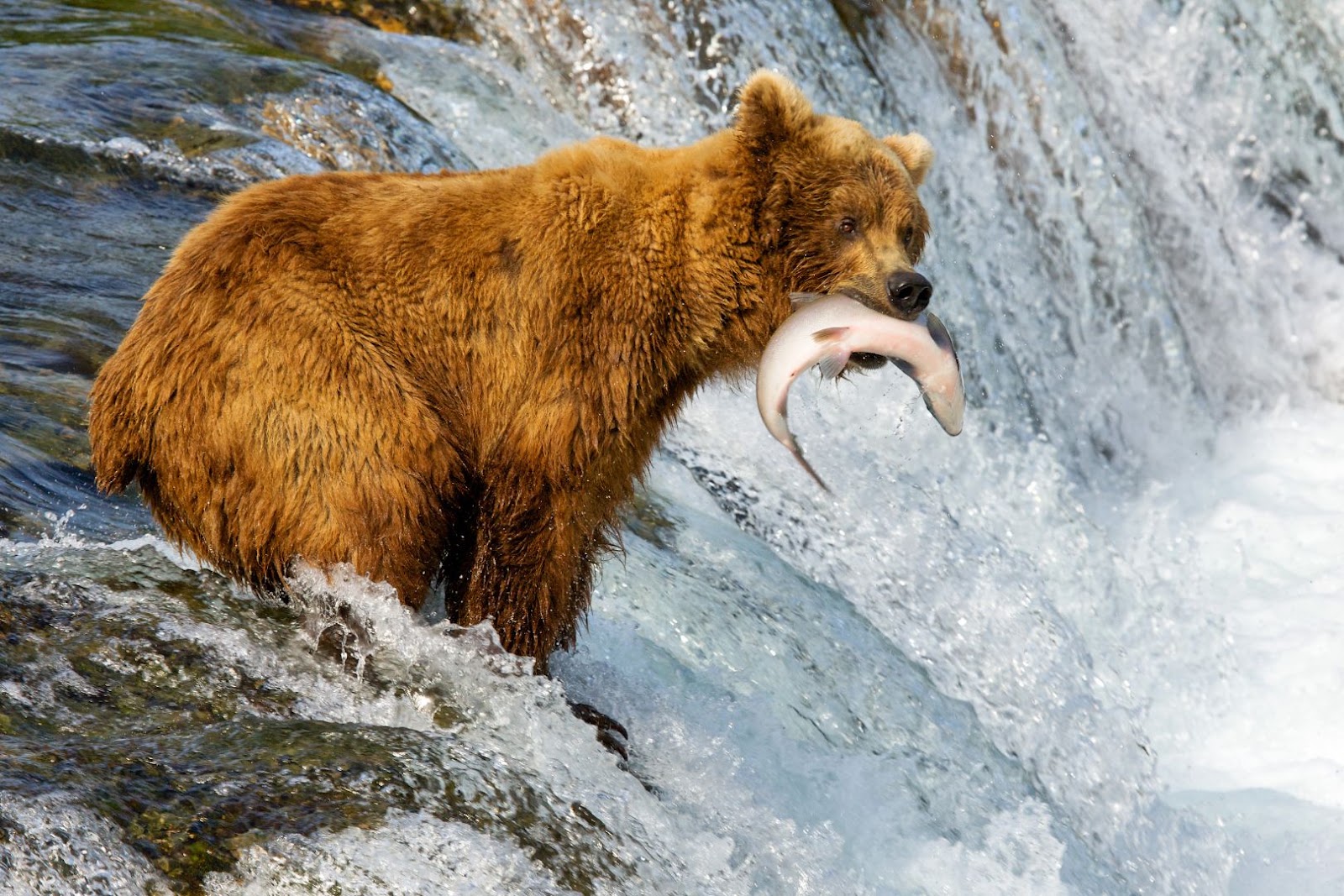
What if your safari involved watching grizzly bears catch salmon in Alaska?
Tracking wolves through Yellowstone?
Searching for jaguars along a river in Brazil?
Looking for tigers in the forests of India?
Spotting sloths and monkeys in Costa Rica?
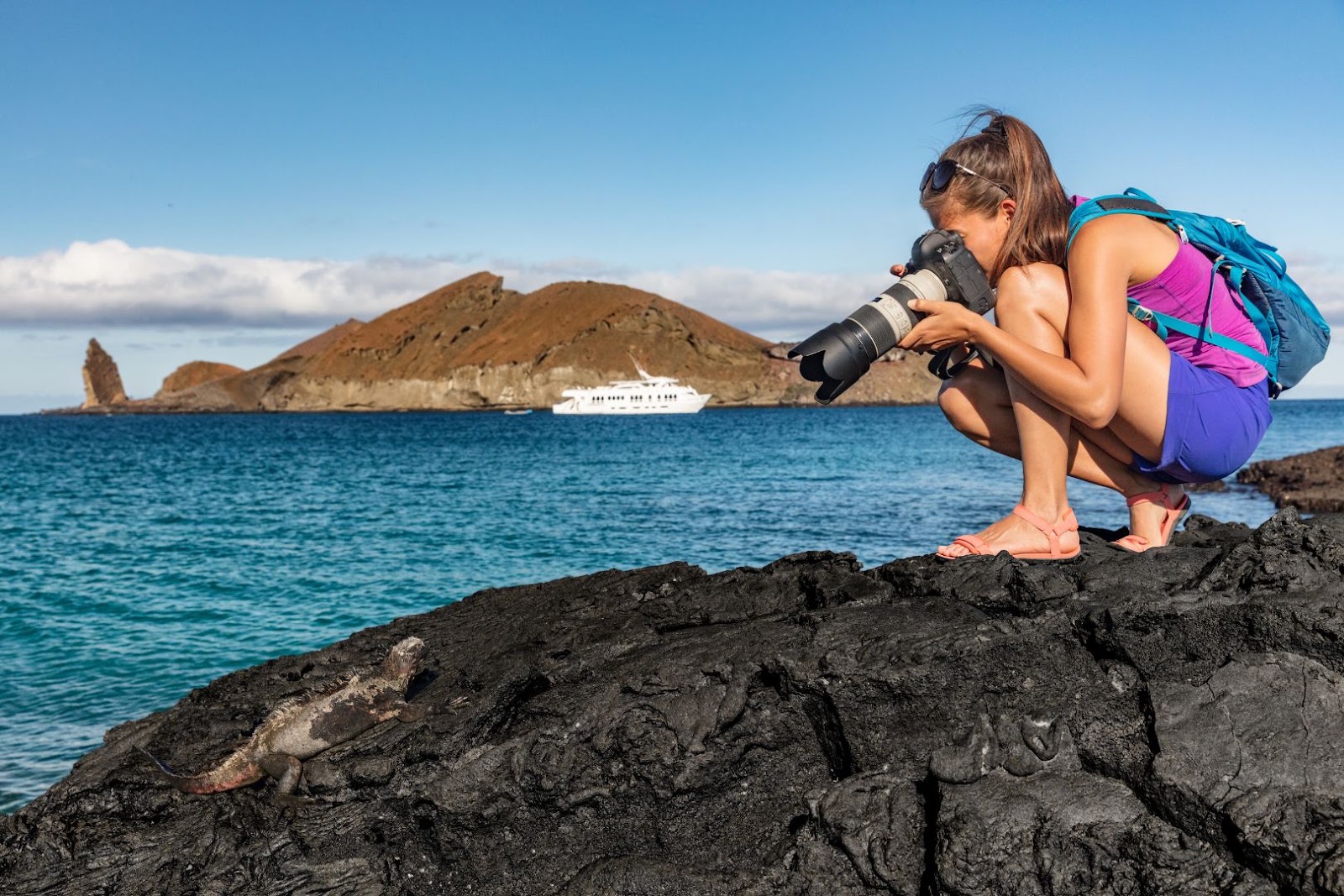
Or snorkeling beside sea lions in the Galápagos?
At its heart, a safari is about traveling into an animal’s natural habitat for the opportunity to observe wildlife in the wild.
Once you think about it that way, the safari map becomes much bigger.
And perhaps the better question isn’t:
“Where should I go on safari?”
It’s:
“What do I want to see?”
Alaska: America’s Wild Frontier
You don’t have to leave the United States to have an extraordinary wildlife adventure.
In Alaska, the scale of the wilderness alone changes the experience.
Depending on where and when you travel, you might encounter brown bears, black bears, moose, caribou, bald eagles, sea otters, seals and whales.
And unlike the classic African safari vehicle, wildlife viewing here can happen in all sorts of ways.
By boat.
From a small aircraft.
Along a hiking trail.
From a wilderness lodge.
On an expedition cruise.
Or even from the deck of a ship as whales appear in the water nearby.
For many travelers, bears are the ultimate prize.
Certain areas of Alaska offer remarkable opportunities to observe brown bears during seasonal salmon runs, when the animals congregate around rivers and streams.
But Alaska also demonstrates something we’ll see repeatedly around the world:
The season determines the safari.
Where the animals are—and what they’re doing—changes throughout the year.
Yellowstone: Wolves, Bison and Bears
Our next safari doesn’t even require a passport.
Yellowstone National Park is one of North America’s great wildlife destinations.
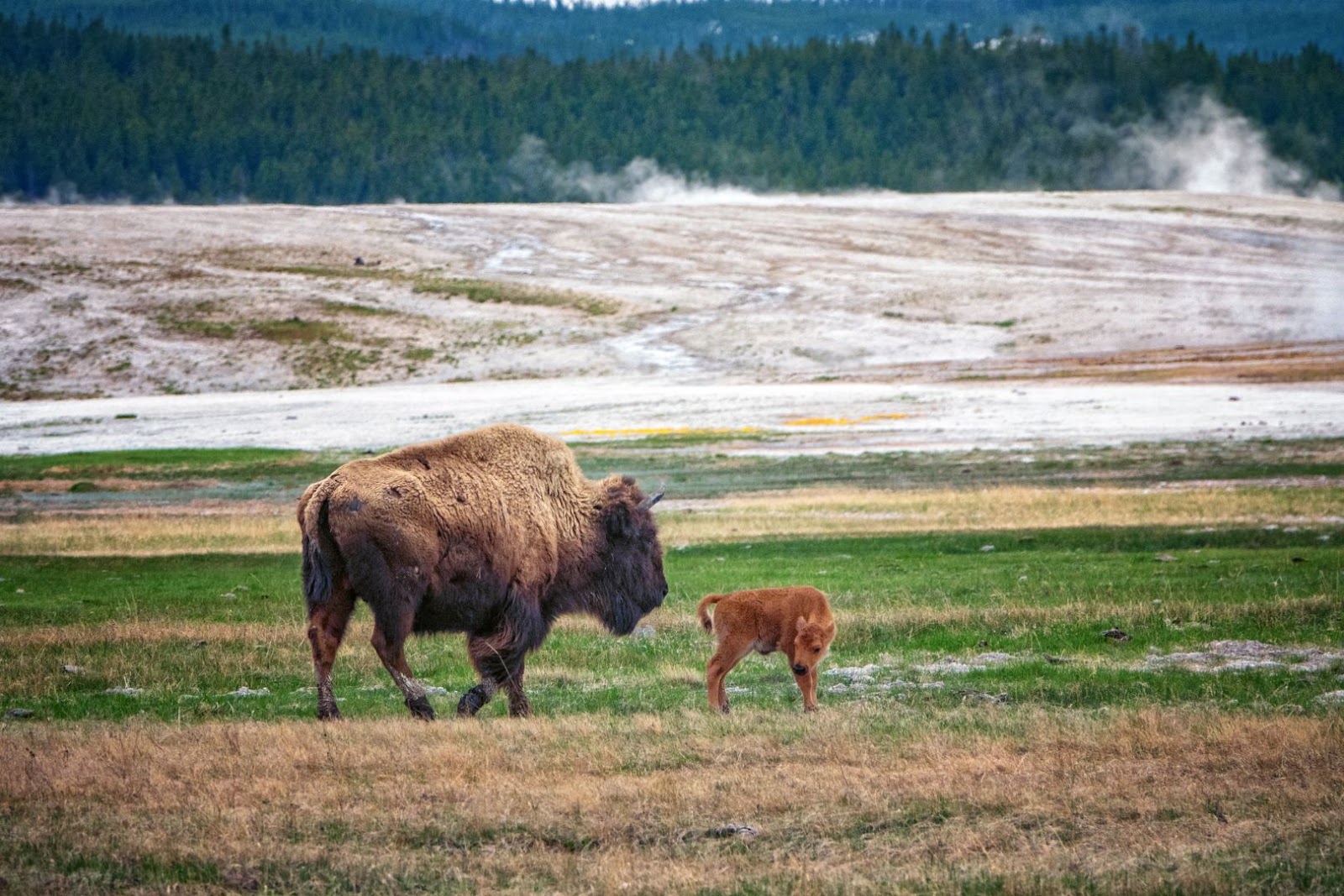
Bison wander through valleys and sometimes straight down the road.
Elk gather across open landscapes.
Bears emerge from the forest.
And then there are the wolves.
The reintroduction of gray wolves to Yellowstone in the 1990s created one of conservation’s most fascinating stories, and today travelers come from around the world hoping to observe them.
The Lamar Valley is particularly renowned for wildlife viewing.
But this isn’t necessarily a matter of driving into the park at noon and expecting a wolf to pose beside the road.
Serious wildlife viewing often means getting up very early, working with an experienced wildlife guide, using spotting scopes and understanding where animals are most likely to be.
In other words?
It sounds remarkably like a safari.
Because it is one.
Costa Rica: Look Up
Now let’s change environments completely.
In Costa Rica, wildlife viewing often begins with two words:
Look up.
A sloth may be curled into a tree overhead.
Monkeys may be moving through the canopy.
A toucan might suddenly land on a nearby branch.
And that’s before we start talking about colorful frogs, reptiles, butterflies and an extraordinary variety of birds.
Costa Rica’s biodiversity is remarkable, particularly considering the country’s relatively small size.
But different regions offer different experiences.
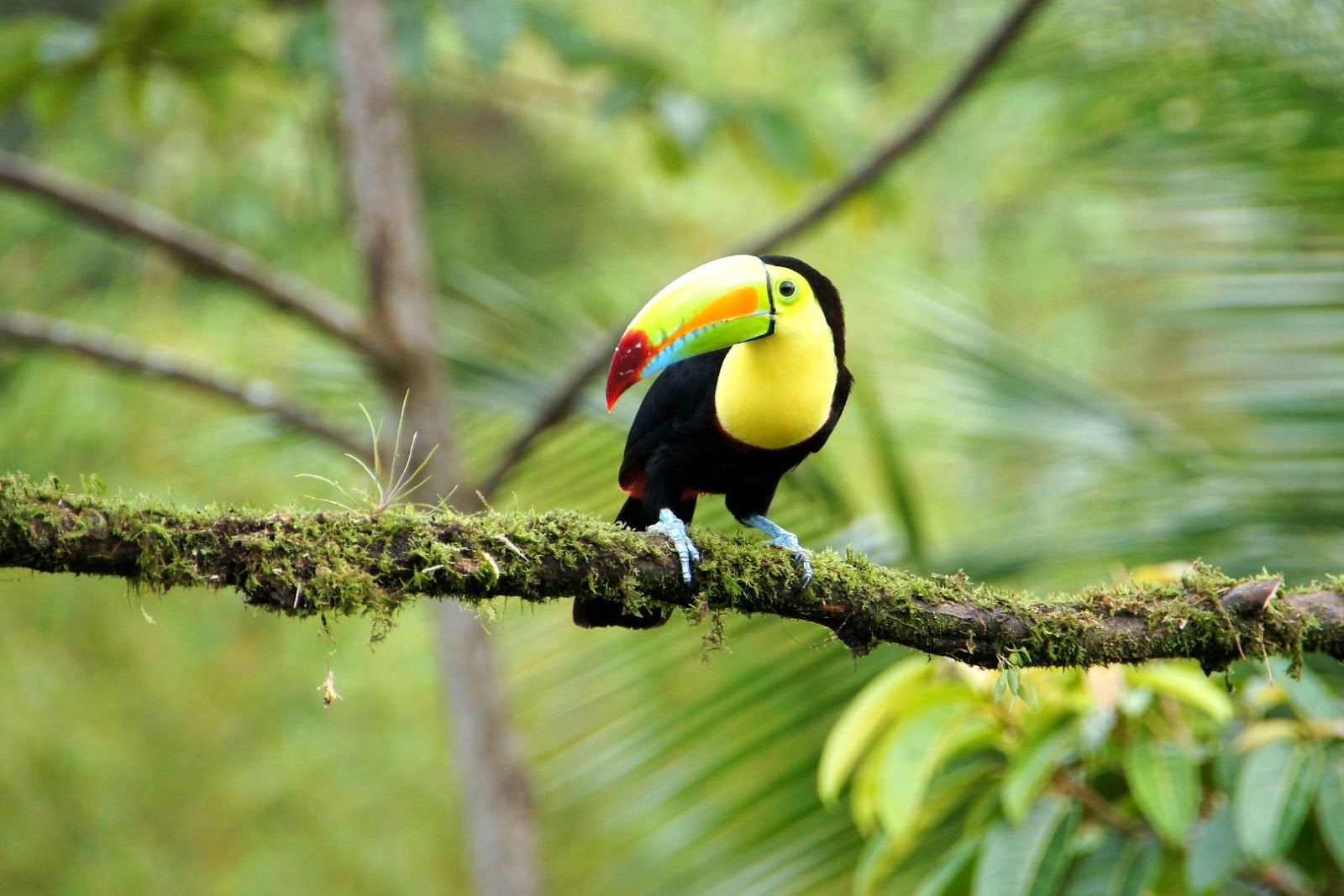
The rainforests around the Osa Peninsula feel very different from the cloud forests of Monteverde or the waterways of Tortuguero.
You might search for wildlife while hiking with a naturalist.
Explore canals by boat.
Walk across hanging bridges through the forest canopy.
Or simply discover that the wildlife has come to you while you’re sitting on the terrace of your lodge.
For travelers who want nature and wildlife without a traditional safari format, Costa Rica is one of the easiest places to start.
Galápagos: A Safari by Land and Sea
Then there’s the Galápagos Islands, where the entire trip can feel like one continuous wildlife encounter.
Sea lions lounge near the shore.
Marine iguanas gather on volcanic rocks.
Blue-footed boobies perform their famous courtship displays.
Giant tortoises move slowly through the highlands.
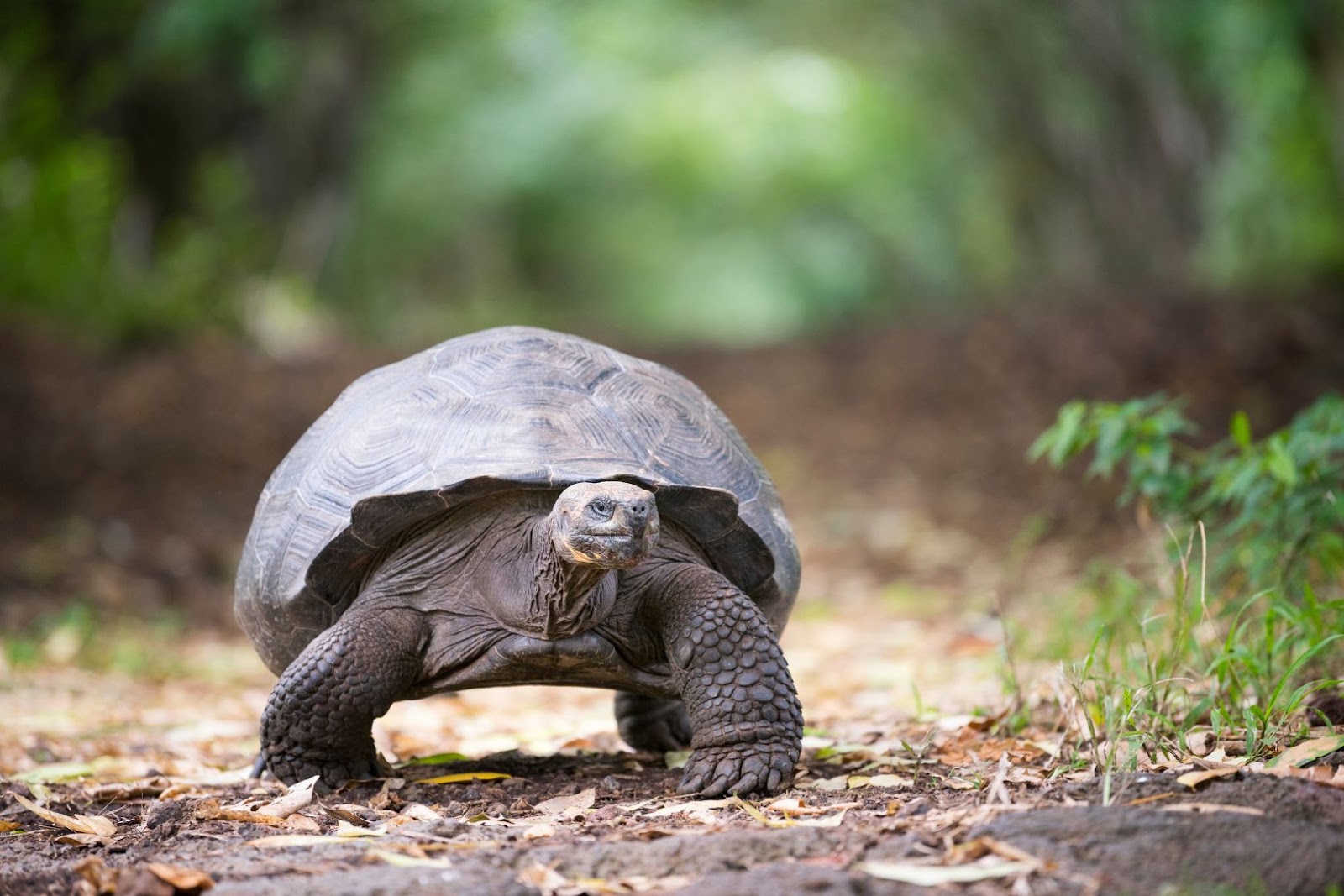
Galápagos penguins dart through the water.
And one of the most remarkable aspects of the experience is that many animals display relatively little fear of humans.
That doesn’t mean visitors should approach or interact with them. Strict wildlife guidelines are essential to protecting this fragile environment.
But it does mean encounters can feel extraordinarily intimate.
And unlike a traditional safari, you’re not limited to land.
One day might involve walking across a volcanic island.
The next could include snorkeling with sea lions, sea turtles and tropical fish.
Then you might explore a coastline by Zodiac or kayak.
The Galápagos isn’t usually marketed as a safari destination.
But if your definition of safari is immersive wildlife viewing in a natural environment, it’s difficult to think of a better example.
Brazil’s Pantanal: In Search of Jaguars
If seeing a jaguar in the wild is on your list, one destination deserves particular attention.
The Pantanal.
Stretching primarily across Brazil, with portions extending into Bolivia and Paraguay, the Pantanal is one of the world’s largest tropical wetlands.
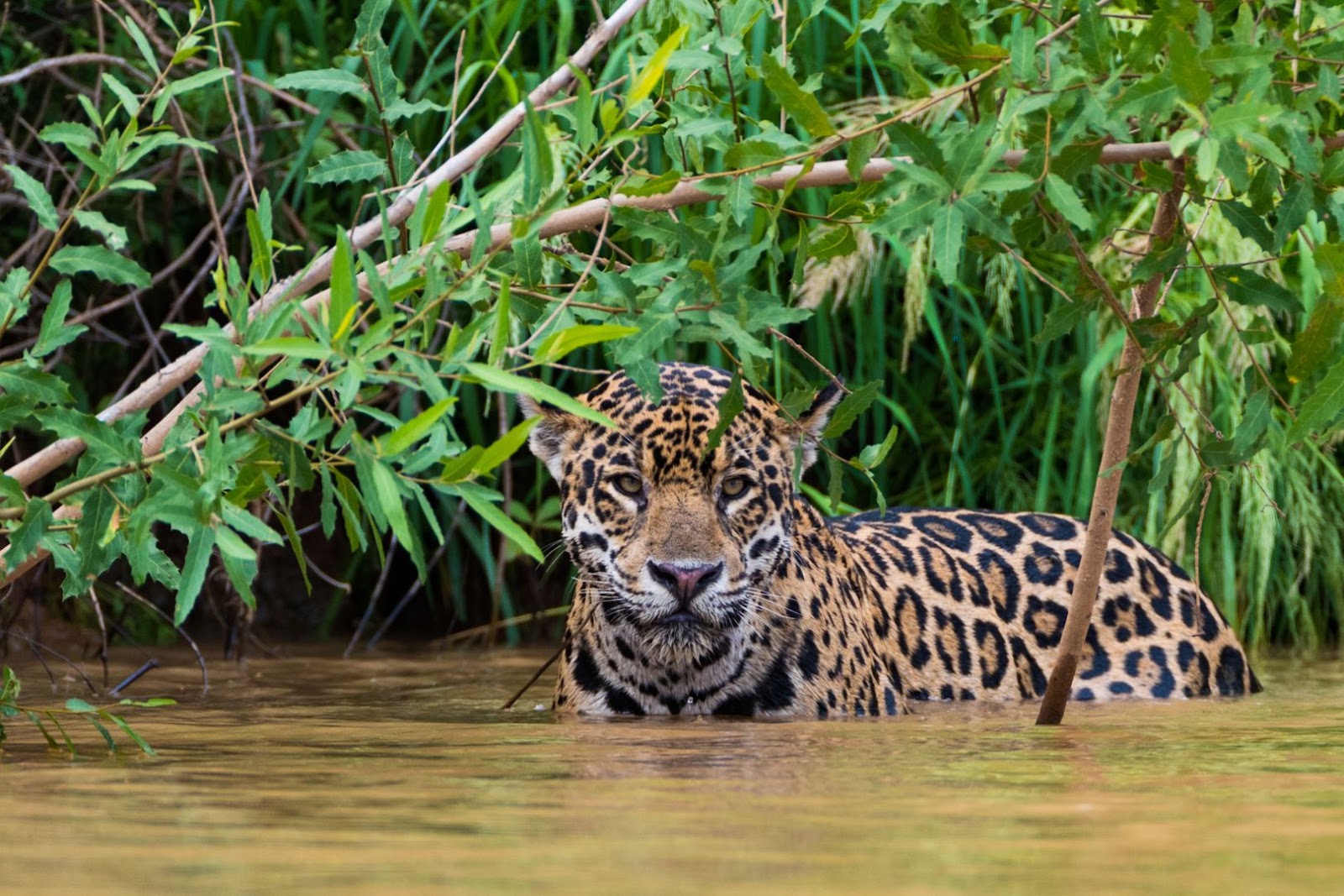
It is also one of South America’s great wildlife destinations.
Capybaras.
Caimans.
Giant river otters.
Monkeys.
An extraordinary variety of birds.
And jaguars.
Unlike dense rainforest environments where jaguars can be extremely difficult to spot, parts of the Pantanal offer better visibility and established wildlife-viewing opportunities.
In some regions, jaguar searches are conducted largely by boat, following rivers and waterways where the cats may appear along the banks.
Think about how different that is from our original image of safari.
No African savanna.
No safari vehicle.
You’re on a river in Brazil, scanning the shoreline for one of the world’s most elusive big cats.
Same idea.
Completely different safari.
India: Tracking the Bengal Tiger
Now we cross the world in search of another legendary cat.
The Bengal tiger.
India offers some of the world’s best opportunities to see tigers in the wild, with national parks and tiger reserves including places such as Ranthambore, Bandhavgarh, Kanha and Pench.
A tiger safari may feel more familiar to travelers who have experienced Africa.
You’ll often explore by vehicle with a guide, searching for signs of wildlife and listening for alarm calls that may indicate a predator nearby.
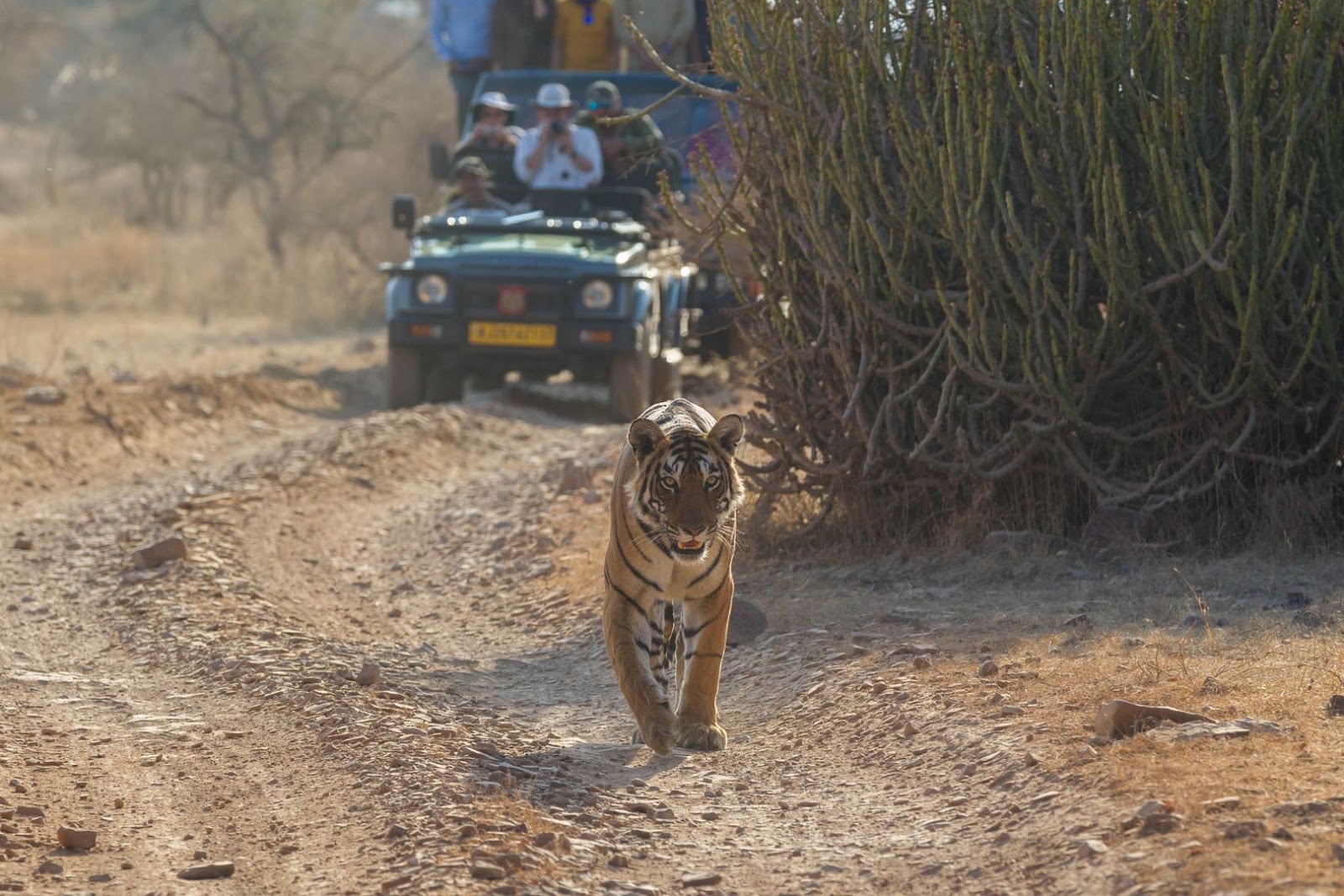
But the landscape is completely different.
Forests.
Grasslands.
Ancient ruins.
Lakes.
And somewhere within them, perhaps, a tiger.
India also gives travelers the opportunity to combine wildlife with one of the world’s richest cultural destinations.
A safari can become one part of a much larger journey incorporating Delhi, Jaipur, Agra, Rajasthan or other regions.
For someone torn between wildlife and cultural travel, India makes a compelling argument that you don’t have to choose.
Sri Lanka: Elephants, Leopards and an Island Full of Wildlife
Nearby Sri Lanka offers another surprising safari destination.
The island is particularly famous for Asian elephants, which can sometimes be seen gathering in impressive numbers.
Sri Lanka is also one of the world’s notable destinations for leopard viewing.
Yala National Park is especially well known for leopards, while other parks offer opportunities to see elephants, water buffalo, crocodiles, monkeys and abundant birdlife.
But Sri Lanka’s wildlife isn’t confined to national parks.
Offshore waters provide opportunities for whale watching, while the island itself combines wildlife with beaches, tea country, ancient cultural sites and beautiful landscapes.
Again, the safari doesn’t have to be the entire vacation.
It can be one extraordinary chapter within it.
Africa: The Quintessential Safari
And eventually, we arrive where everyone expected us to begin.
Africa.
There’s a reason it remains the quintessential safari destination.
Actually, there are thousands of reasons.
Lions.
Elephants.
Leopards.
Rhinos.
Buffalo.
Cheetahs.
Giraffes.
Zebras.
Hippos.
Wild dogs.
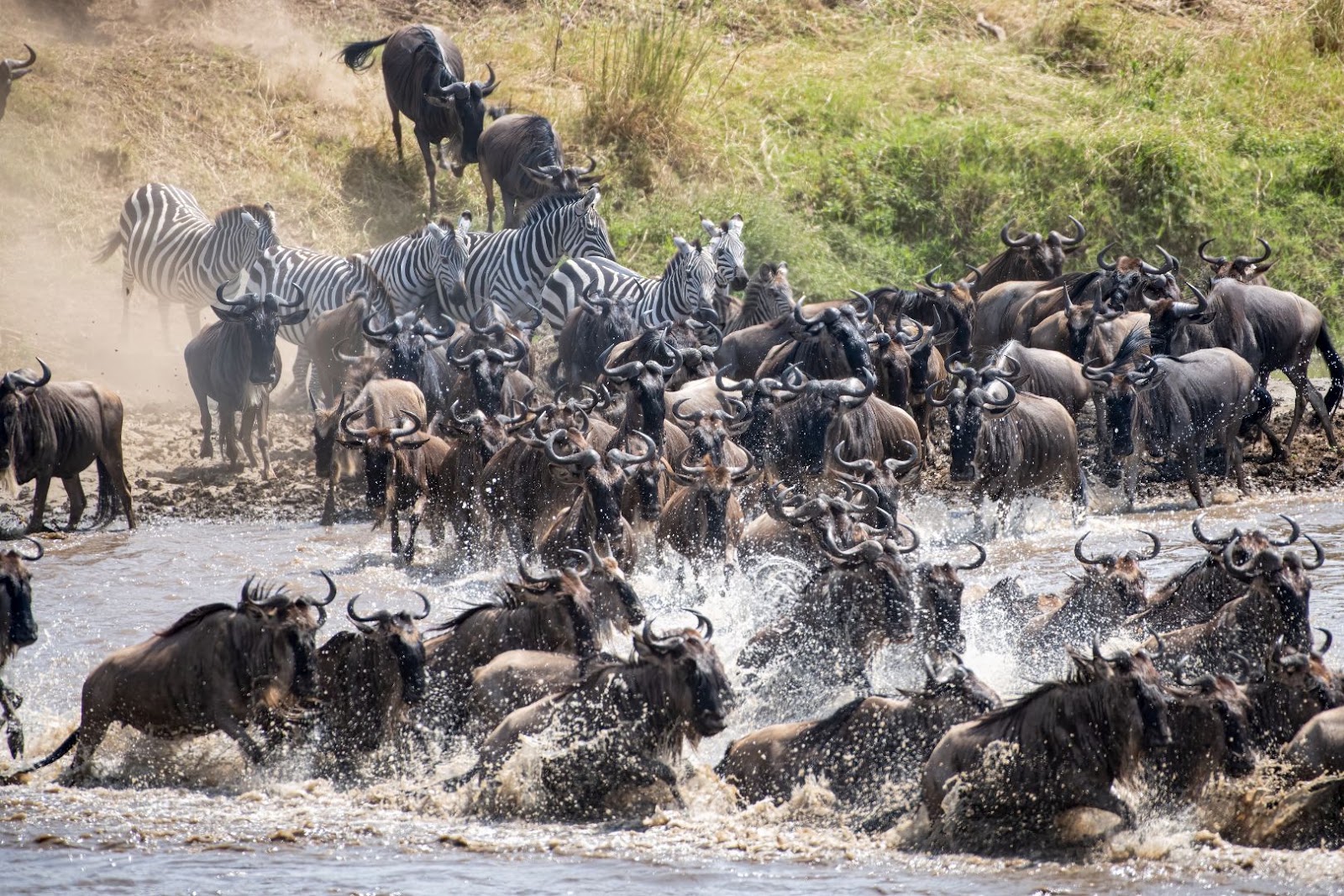
Wildebeest.
And landscapes ranging from vast savannas and wetlands to deserts, forests and river systems.
But here’s the mistake first-time safari travelers sometimes make:
They ask for “an African safari” as though that’s one product.
It isn’t.
Not even close.
Kenya and Tanzania: The Classic East African Safari
If the safari in your imagination involves enormous open plains, acacia trees and huge herds of animals, you’re probably picturing East Africa.
Kenya and Tanzania deliver some of the continent’s most iconic landscapes and wildlife experiences.
The Maasai Mara.
The Serengeti.
Ngorongoro Crater.
Amboseli.
And, seasonally, the extraordinary movement of wildebeest and other animals associated with the Great Migration.
This is classic safari country.
But even here, timing and itinerary design matter enormously.
The migration doesn’t remain in one location all year.
Animals move.
Rain changes the landscape.
Calving season produces a completely different experience from a river-crossing season.
There is no single “best month” without first deciding what you hope to experience.
South Africa: Safari Plus So Much More
South Africa is particularly appealing for travelers who want safari as part of a broader vacation.
Spend several days in the bush looking for the Big Five.
Then fly to Cape Town.
Explore the Cape Peninsula.
Visit the Winelands.
And remember our penguin article?
You can even see African penguins at Boulders Beach.
Private reserves bordering Kruger National Park offer exceptional safari experiences, often with luxurious lodges, excellent guides and opportunities for both morning and afternoon game drives.
For a first safari—especially for travelers who want wildlife combined with food, wine, cities and scenery—South Africa can be an excellent choice.
Botswana: Water Changes Everything
Then there’s Botswana.
The Okavango Delta transforms the safari experience because water becomes part of the landscape.
Depending on season and location, wildlife viewing may take place not only by vehicle but also by boat or mokoro, the traditional canoe-like craft used in the delta.
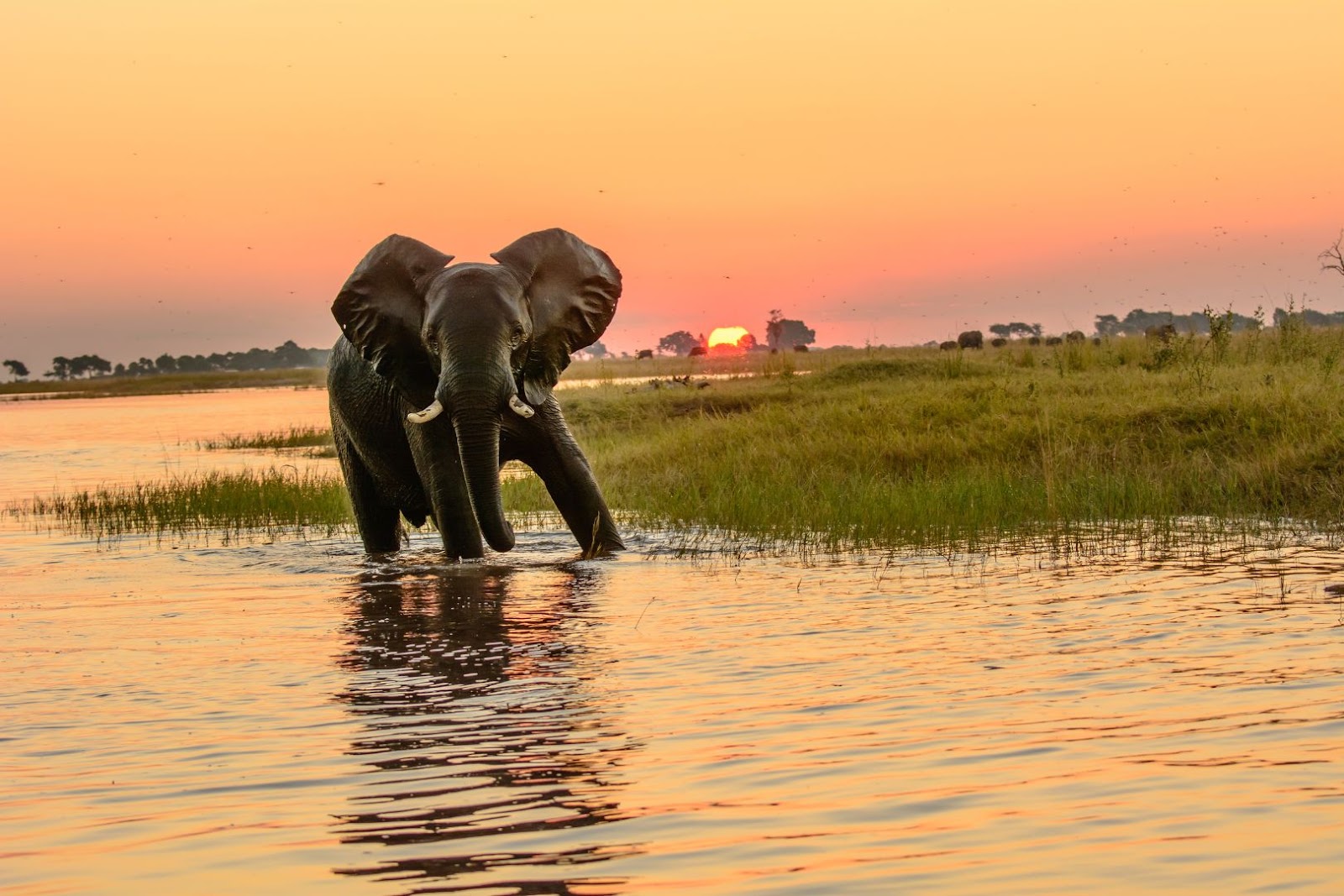
Elephants move through wetlands.
Hippos occupy channels.
Birdlife is extraordinary.
And some camps are accessible only by small aircraft.
Botswana tends to appeal to travelers seeking a more remote, wilderness-focused safari and is home to some exceptional high-end camps.
It’s Africa—but it doesn’t feel exactly like Kenya, Tanzania or South Africa.
Zambia and Zimbabwe: Get Out of the Vehicle
Want to experience safari differently?
Consider Zambia or Zimbabwe.
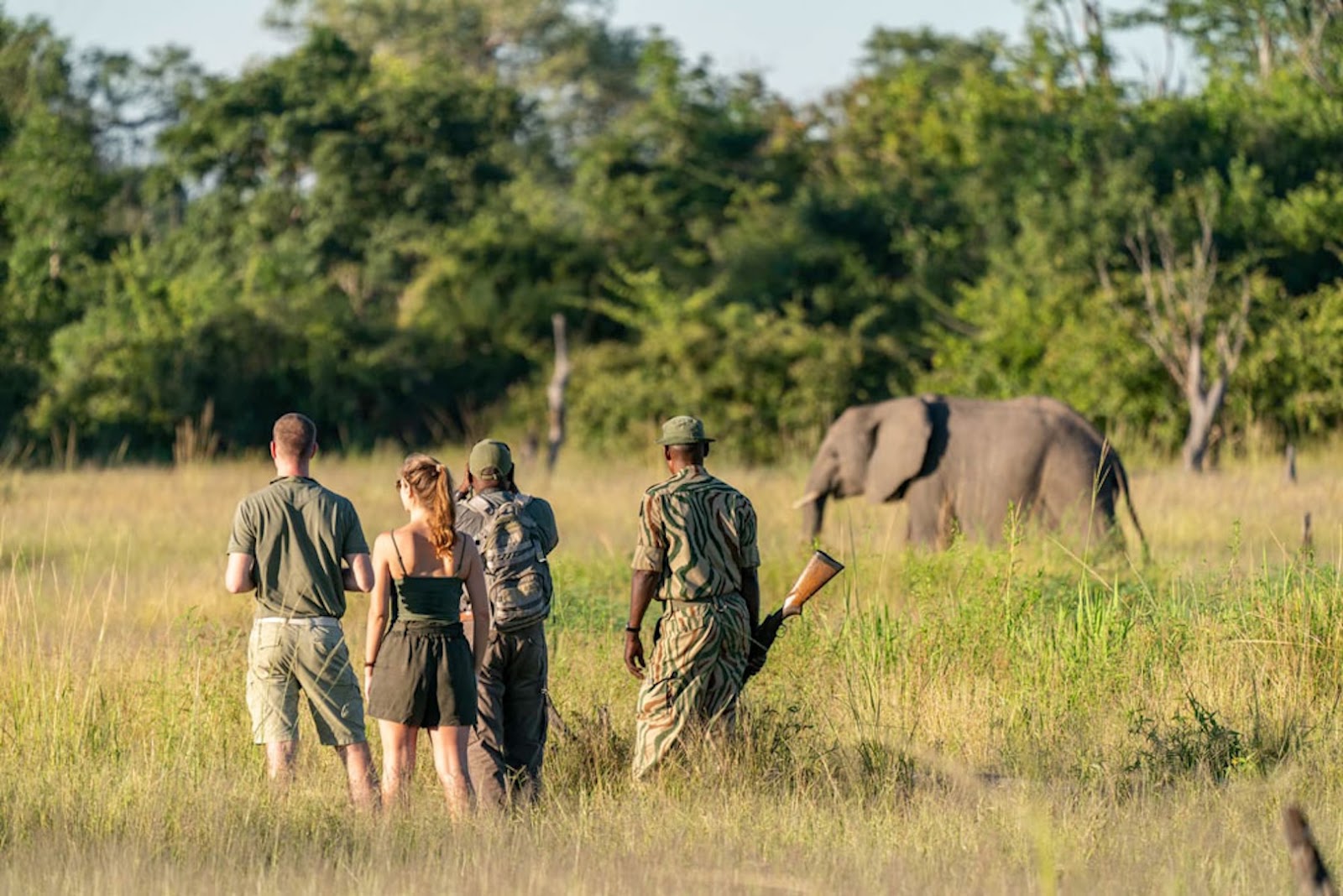
These destinations are particularly associated with walking safaris, giving travelers an entirely different perspective on the bush.
On foot, the focus changes.
You notice tracks.
Plants.
Sounds.
Smaller animals.
The direction of the wind.
Suddenly, details you might pass without noticing from a vehicle become part of the experience.
The region also allows travelers to combine safari with one of Africa’s great natural wonders:
Victoria Falls.
Wildlife and one of the world’s largest waterfalls in the same journey?
I’d travel for that too.
Namibia: Safari in the Desert
And just to prove once again that “African safari” doesn’t mean one thing, consider Namibia.
Here, wildlife inhabits some of the most dramatic desert landscapes on the continent.
Desert-adapted elephants.
Rhinos.
Giraffes.
Oryx.
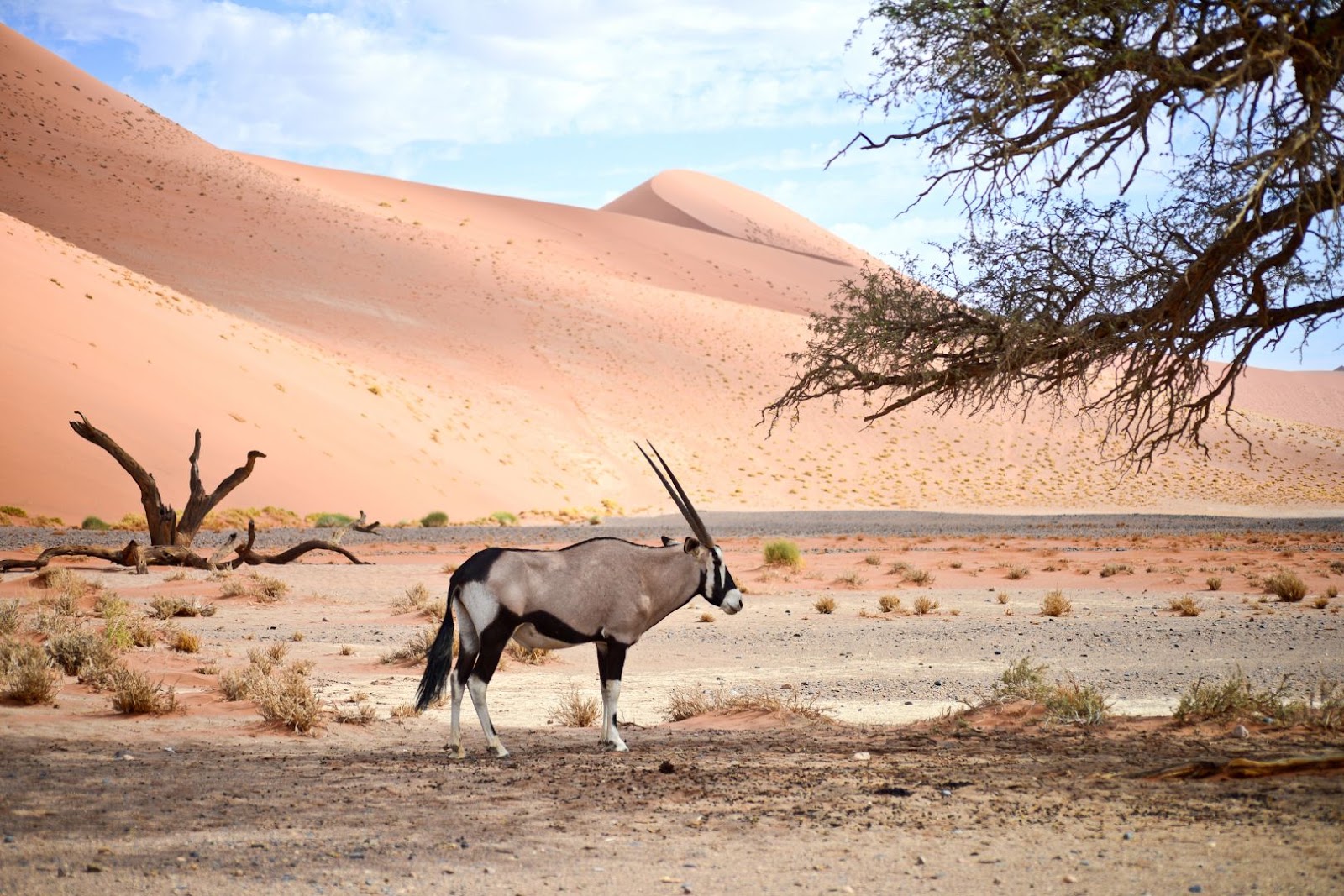
And enormous landscapes where the scenery itself competes with the wildlife for your attention.
Combine Etosha National Park with towering dunes, stark desert scenery and the Skeleton Coast, and Namibia becomes as much a landscape journey as a wildlife safari.
Africa could easily fill an entire series by itself.
The important point is this:
Choosing Africa is only the beginning of the decision.
Wildlife Doesn’t Follow an Itinerary
Whether you’re looking for wolves in Yellowstone or lions in the Serengeti, there’s one thing every wildlife traveler needs to understand.
There are no guarantees.
These are wild animals.
They don’t appear because your vehicle arrived.
They don’t care that you flew thousands of miles.
They don’t know which animal is at the top of your bucket list.
And that’s exactly what makes a genuine wildlife encounter so extraordinary.
A knowledgeable guide can understand animal behavior, seasonal patterns and habitat.
A well-designed itinerary can put you in the right places at the right times.
Spending several days in an area can increase opportunities.
But nobody should promise that a particular animal will appear.
The anticipation is part of safari.
And when that tiger finally steps out of the forest, a jaguar appears along the riverbank or a leopard emerges from the grass?
You understand why people become addicted to wildlife travel.
What Do You Want to See?
That’s where I would begin.
Not with a country.
Not with a lodge.
Not even with a continent.
What wildlife experience are you dreaming about?
Want bears, whales and enormous wilderness without leaving the United States? Look toward Alaska.
Fascinated by wolves? Consider Yellowstone.
Want sloths, monkeys and tropical biodiversity? Costa Rica.
Want wildlife encounters unlike almost anywhere else on Earth? Galápagos.
Dreaming about seeing a jaguar? Brazil’s Pantanal.
A tiger? India.
Asian elephants and leopards? Sri Lanka.
And if the dream is the classic safari—with lions, elephants, giraffes and the landscapes you’ve watched in nature documentaries your entire life?
Then yes.
Eventually, we arrive in Africa.
But even then, the choices have only begun.
Kenya.
Tanzania.
South Africa.
Botswana.
Zambia.
Zimbabwe.
Namibia.
Different wildlife.
Different landscapes.
Different seasons.
Different styles of safari.
Different trips.
The world is full of wildlife worth traveling for.
I’d travel for that.
Ready to plan a journey around the wildlife you’ve always wanted to see? Whether you’re dreaming about bears in Alaska, wolves in Yellowstone, jaguars in Brazil, tigers in India or your first African safari, I’ll help you figure out where—and when—you have the best opportunity to experience it.
Contact us when you’re ready to start planning your one-of-a-kind animal safari.