







Picture a penguin in the wild.
What do you see?
Chances are there’s snow. Maybe an iceberg. Definitely somewhere very, very cold.
Now picture a penguin standing on black volcanic rock beneath the equatorial sun.
Welcome to the Galápagos.
Penguins are one of those animals almost everyone associates with Antarctica, but you don’t have to travel to the bottom of the world to see them in their natural habitat. Depending on the species, you can encounter wild penguins in places as varied as Ecuador’s Galápagos Islands, the beaches of South Africa, the coast of Australia, New Zealand and Patagonia.
And yes, if you want the ultimate penguin adventure, there’s Antarctica.
So if seeing penguins in the wild makes you say “I’d travel for that,” the real question becomes:
How far would you go?
Galápagos Islands: Penguins at the Equator
Let’s begin in perhaps the most unexpected place of all.
The Galápagos penguin is the only penguin species found naturally this close to the equator.
Think about that for a moment.
Penguins.
At the equator.
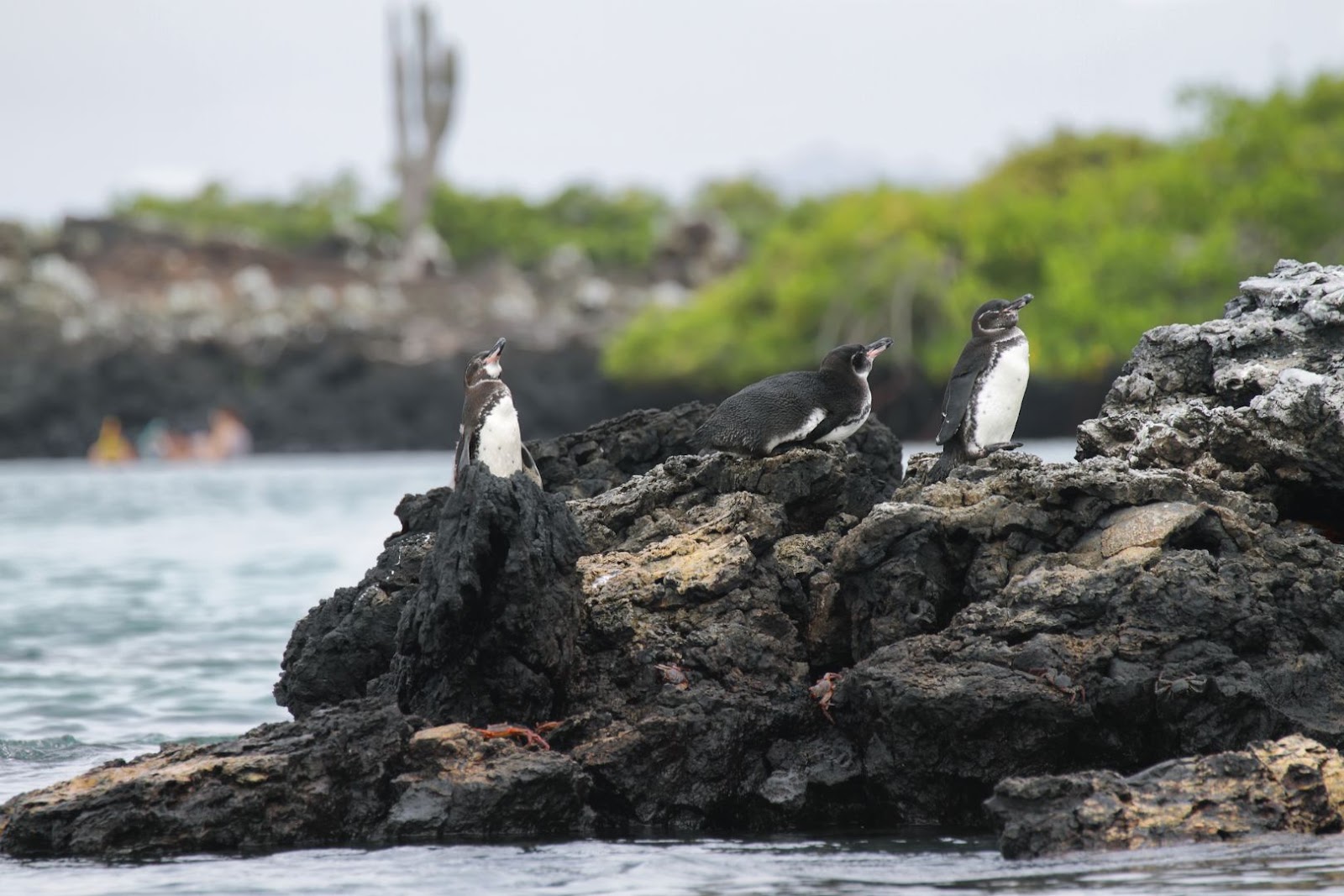
The Galápagos Islands sit roughly 600 miles off the coast of Ecuador, and the cold, nutrient-rich ocean currents surrounding the archipelago make it possible for these small penguins to survive in an environment that seems completely contrary to everything we associate with them.
Instead of snow and ice, you may see Galápagos penguins perched on dark volcanic rocks.
And you don’t necessarily have to observe them only from a distance on shore.
One of the extraordinary things about visiting the Galápagos is the opportunity to experience wildlife from the water. Depending on your itinerary, location and luck, you might encounter penguins while snorkeling or exploring by small boat.
Imagine swimming in the Galápagos and realizing there’s a penguin darting through the water nearby.
That’s not something you experience at a zoo.
Of course, penguins are only one small part of what makes the Galápagos extraordinary. Sea lions, marine iguanas, giant tortoises, blue-footed boobies and an astonishing variety of other wildlife make these islands one of the world’s great nature destinations.
If you love wildlife, the penguins may get your attention.
The Galápagos experience will give you dozens of other reasons to go.
South Africa: Penguins on the Beach
Here’s another image that tends to surprise people:
Penguins on a beautiful beach outside Cape Town.
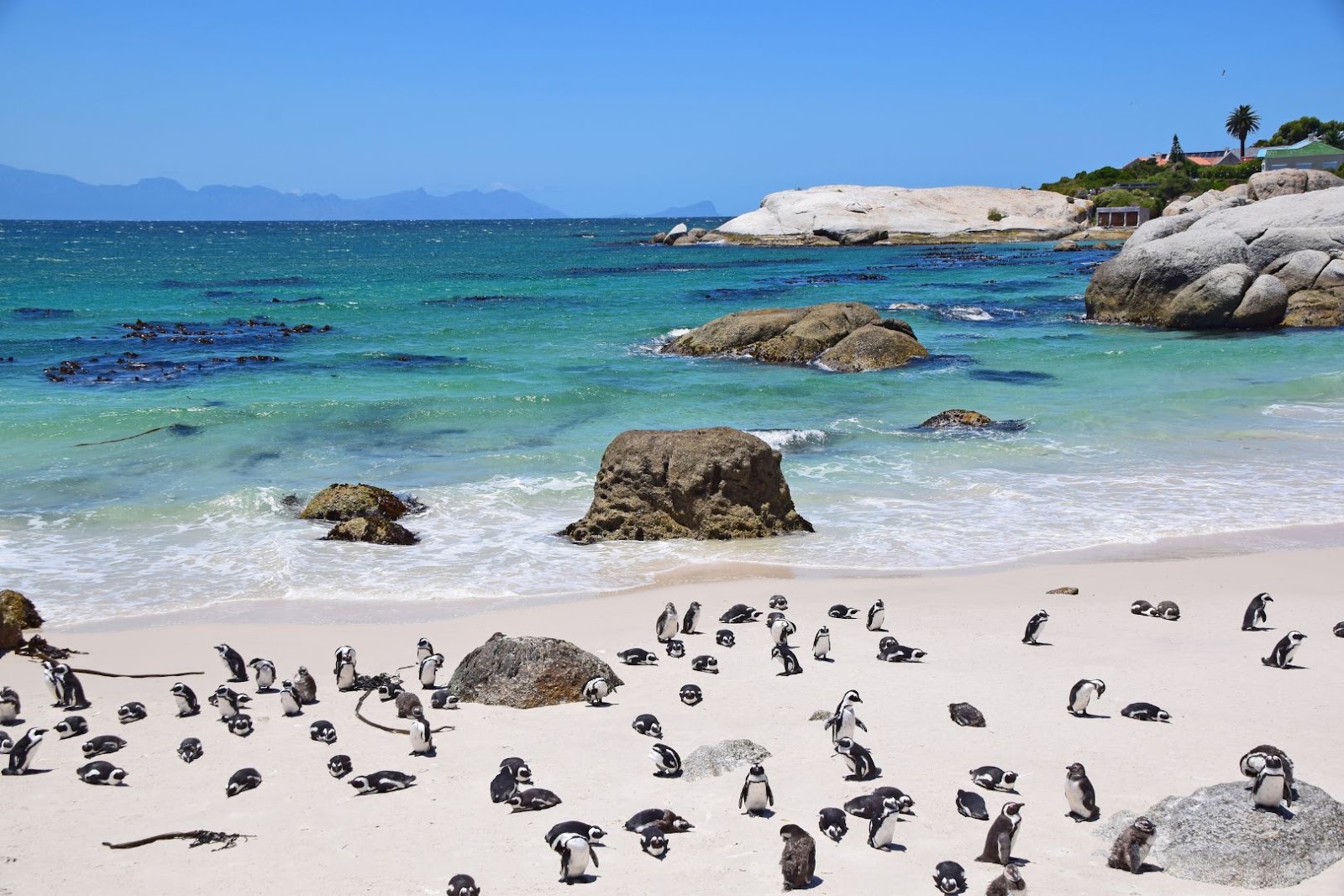
At Boulders Beach near Simon’s Town, a colony of endangered African penguins lives along the coast.
These aren’t birds tucked away in some remote polar wilderness. They’re living beside sheltered coves, granite boulders and sandy beaches along South Africa’s Cape Peninsula.
Boardwalks allow visitors to observe the colony while helping protect the birds and their habitat.
And this is one of the easiest penguin experiences to incorporate into a much larger vacation.
A stay in Cape Town can include Table Mountain, the Cape Peninsula, the Cape Winelands, extraordinary restaurants and spectacular coastal scenery.
From there?
You could continue into South Africa for safari.
Suddenly, one vacation might include penguins in the morning and, a few days later, elephants, lions, rhinos and giraffes.
That’s a wildlife combination Antarctica definitely can’t give you.
Argentina: Penguins by the Thousands
Travel south to Argentina and penguins become part of the extraordinary wildlife experiences available throughout Patagonia.
One of the best-known locations is Punta Tombo, home to an enormous breeding colony of Magellanic penguins.
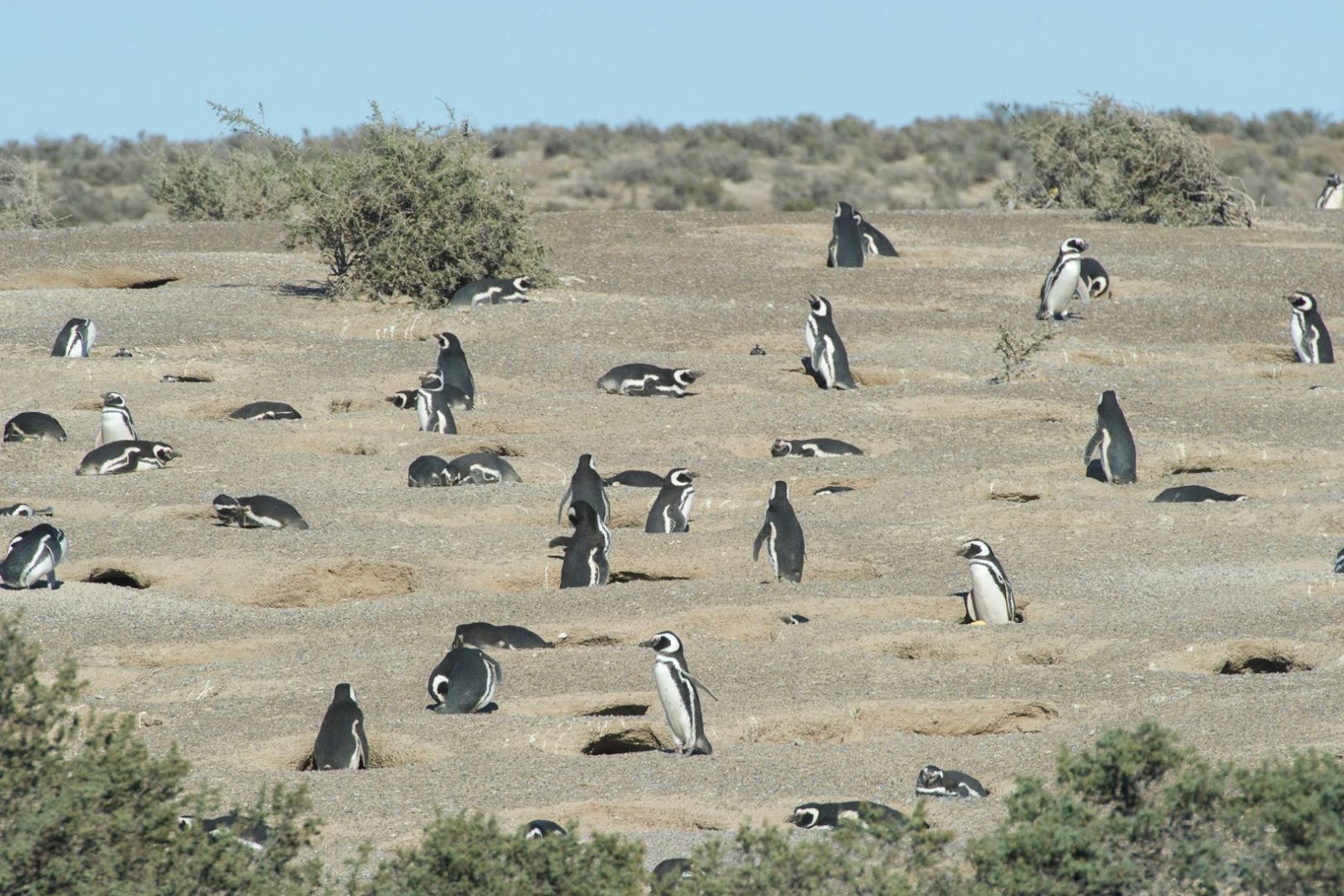
During the appropriate season, huge numbers of penguins come ashore to nest and raise their young.
Rather than looking across the water at a few distant birds, visitors can experience a landscape where penguins are very much part of the environment.
Farther south, the region around Ushuaia offers additional opportunities to see penguins during excursions through the Beagle Channel and surrounding islands.
And Ushuaia has another distinction.
Known as one of the world’s southernmost cities, it’s also a major gateway to Antarctica.
You could come to Patagonia specifically to see penguins.
Or this could be where an even bigger adventure begins.
Chile: Penguins Along the Edge of Patagonia
Across the Andes, Chile offers its own penguin encounters.
Near Punta Arenas, travelers can visit colonies of Magellanic penguins in the Strait of Magellan region.
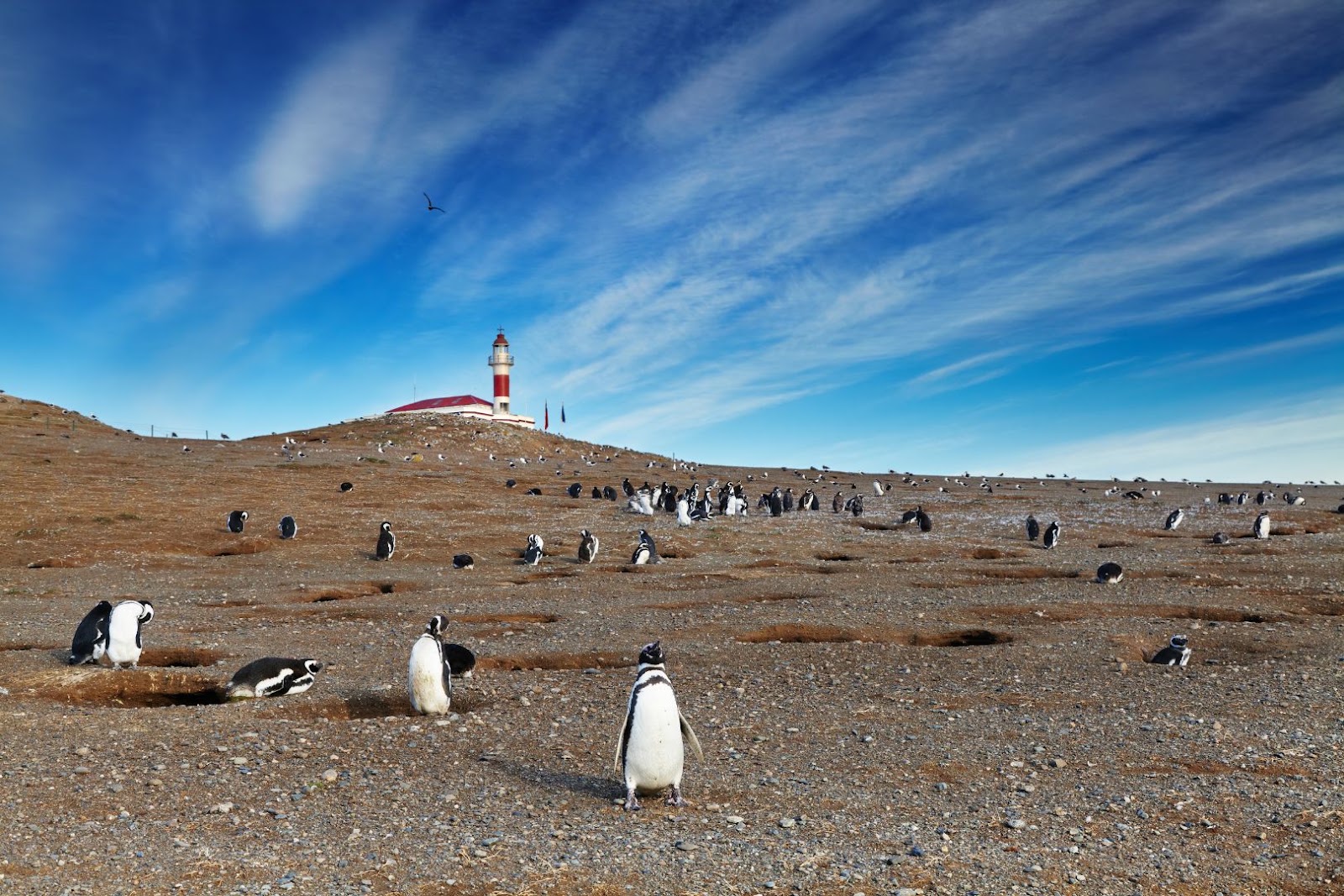
One of the best-known excursions is to Magdalena Island, where large numbers of penguins return seasonally to nest.
Chile also gives travelers something particularly valuable: the ability to build penguin viewing into a much larger Patagonia itinerary.
Torres del Paine.
Glaciers.
Mountains.
Wildlife.
The fjords of southern Chile.
Combine Argentina and Chile, and a trip initially inspired by penguins can become one of the great scenic adventures in South America.
Australia: Meet the Little Penguins
Australia gives us yet another reason to rethink what penguin habitat looks like.
Meet the little penguin.
As the name suggests, this is the world’s smallest penguin species.
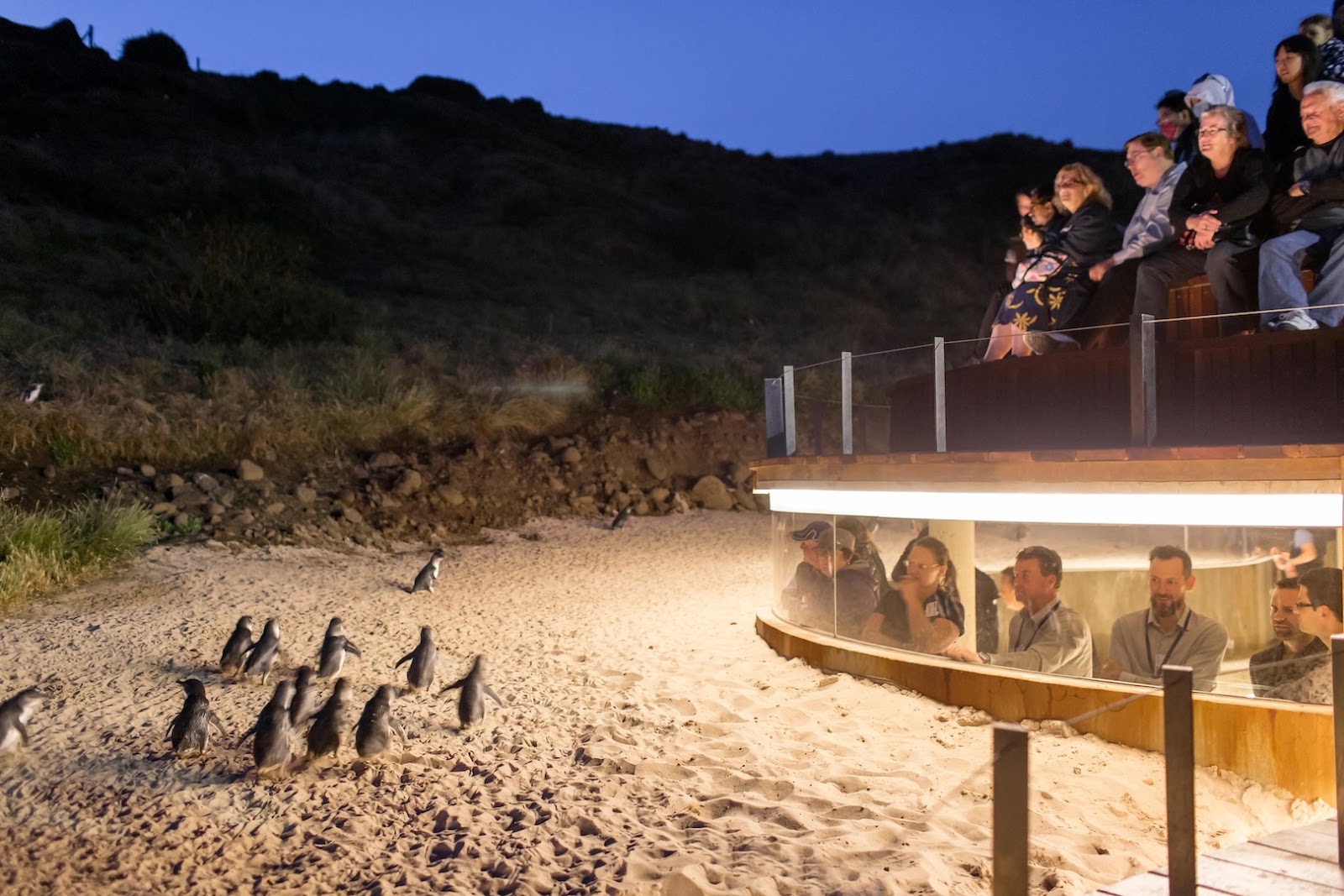
One of Australia’s most famous wildlife experiences takes place at Phillip Island, southeast of Melbourne.
Each evening, little penguins return from the ocean and make their way ashore toward their burrows in an event commonly known as the Penguin Parade.
Rather than traveling to a remote expedition destination, this is an experience that can be incorporated into a larger Australian vacation.
Spend time exploring Melbourne.
Visit the surrounding wine regions or drive part of the Great Ocean Road.
Then add an evening watching tiny wild penguins waddle ashore.
Australia may be famous for kangaroos and koalas, but they certainly don’t have the wildlife spotlight all to themselves.
New Zealand: Penguins You Won’t Find Anywhere Else
Cross the Tasman Sea and New Zealand offers several completely different penguin experiences.
The country is home to multiple penguin species, including some found nowhere else on Earth.
On the South Island, travelers may encounter yellow-eyed penguins, one of the world’s rarest penguin species.
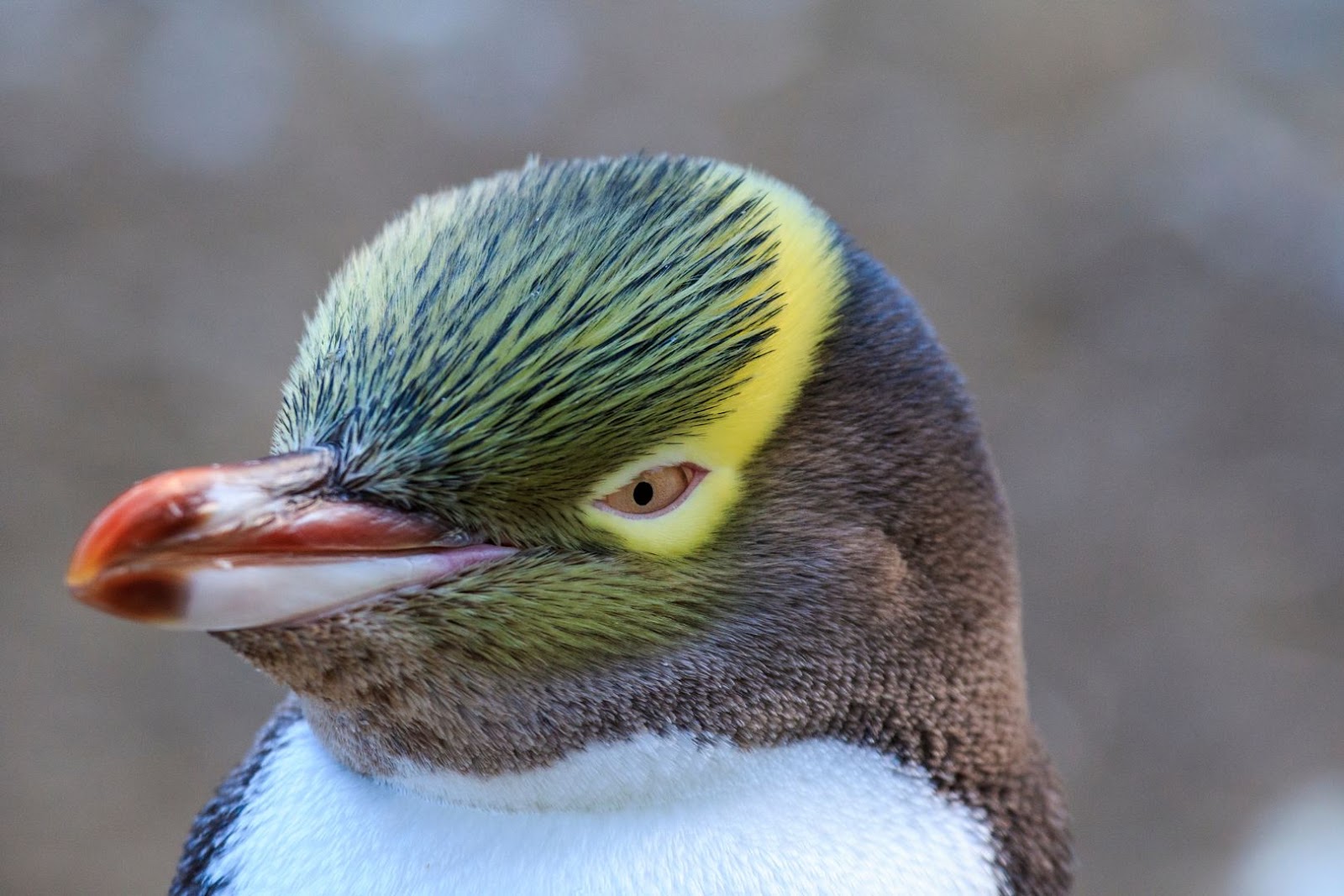
Around Oamaru, colonies of little penguins provide another opportunity to watch these tiny birds return to shore.
And farther south, New Zealand’s subantarctic islands provide habitat for other remarkable species, including crested penguins.
For serious wildlife travelers, expedition voyages into New Zealand’s subantarctic region can reveal an entirely different side of a country most visitors associate with mountains, fjords and spectacular road trips.
Which is another recurring theme in this series:
Sometimes the experience you’re looking for is hiding in a destination you were already considering for completely different reasons.
Antarctica: The Ultimate Penguin Expedition
And finally, we reach the place everyone expected.
Antarctica.
If penguins are the primary reason you’re planning the trip, nothing else quite compares.
This is where penguin encounters shift from seeing a colony during an excursion to entering a world where penguins are an integral part of the landscape.
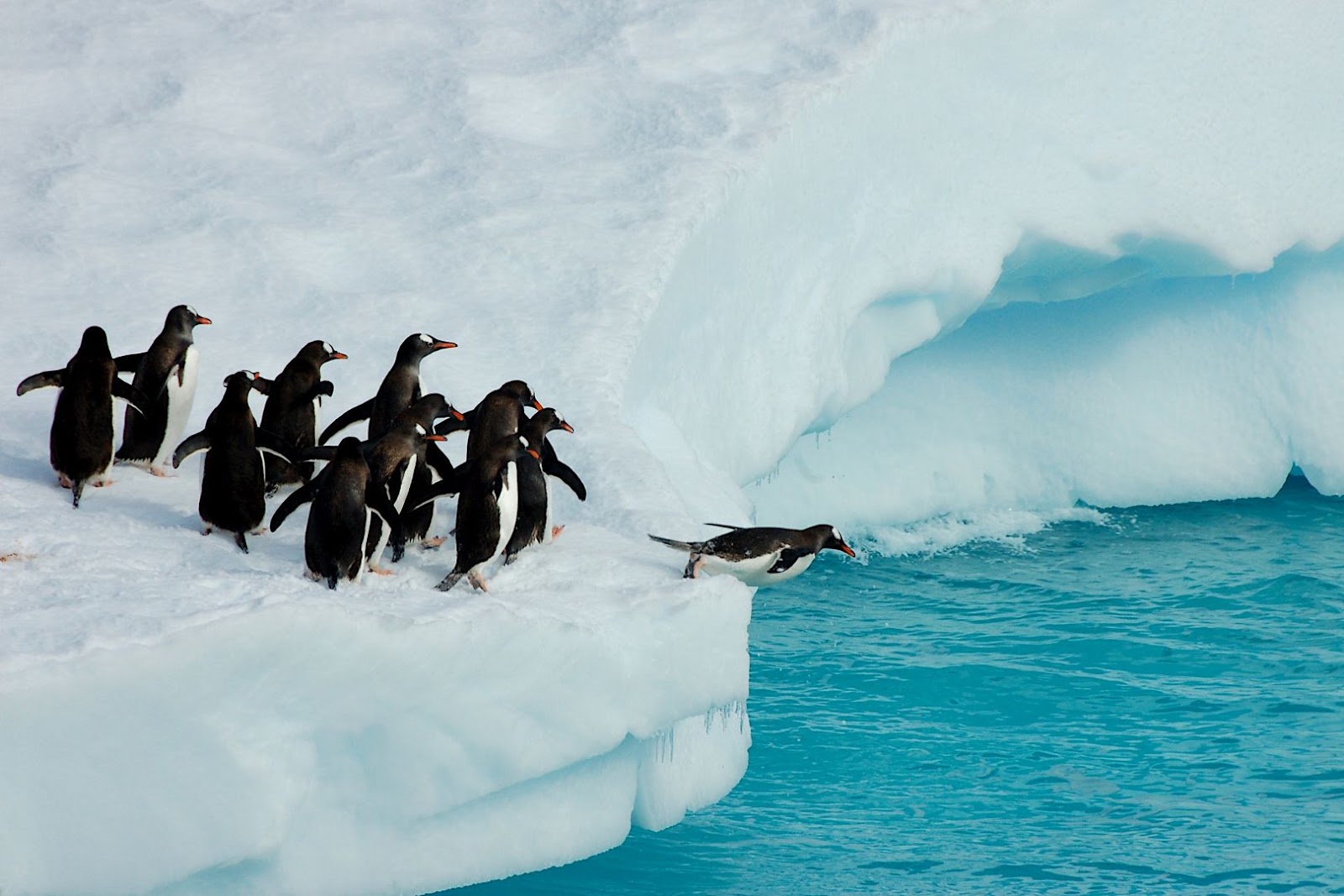
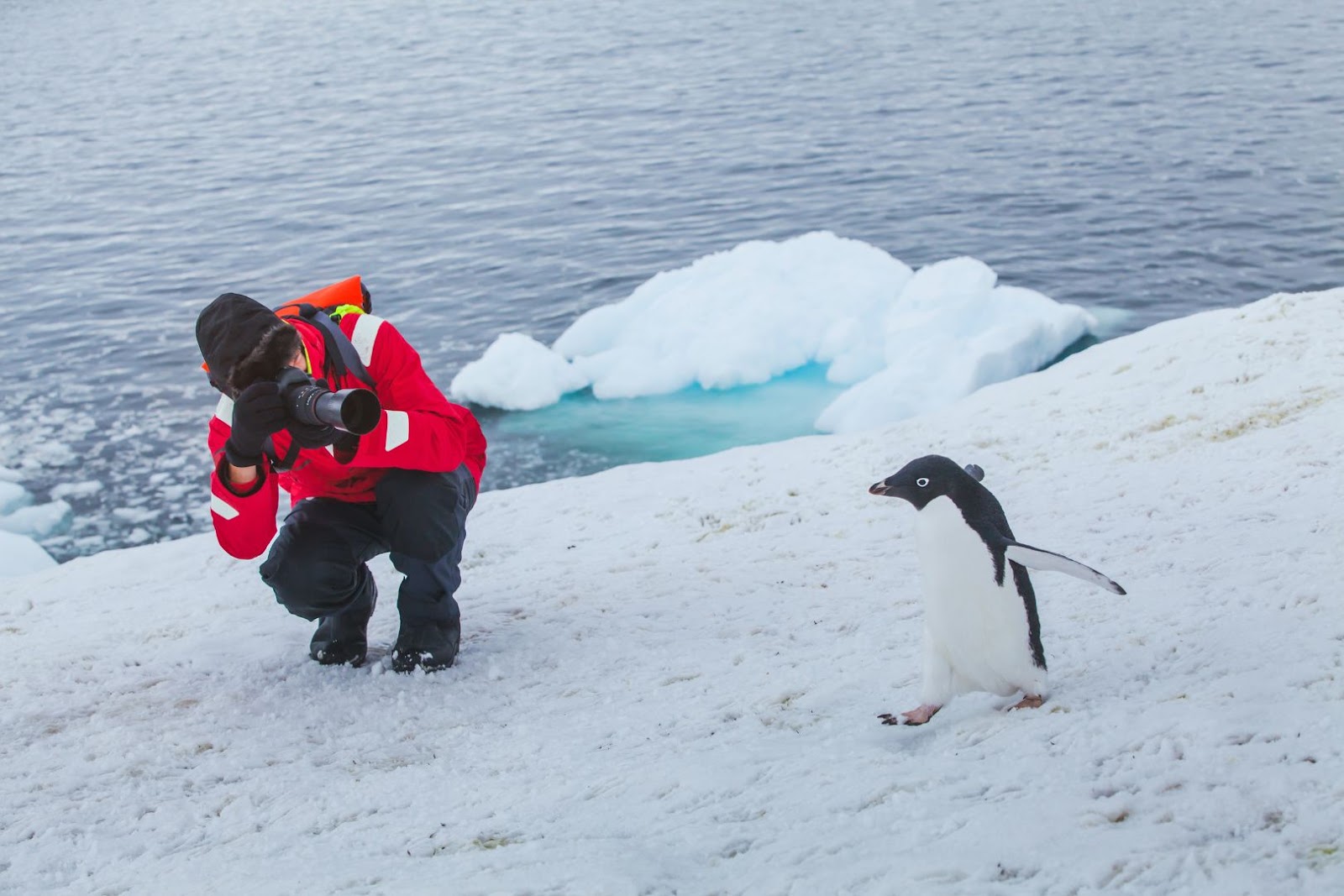
Depending on where your expedition travels and the time of year, you might encounter gentoo, chinstrap and Adélie penguins, among others.
Colonies can number in the thousands.
You’ll see penguins moving between their nesting areas and the sea, porpoising through the water, gathering along rocky shorelines and going about their lives seemingly unconcerned that humans have traveled thousands of miles to watch them.
And then there is the scenery surrounding them.
Towering icebergs.
Glaciers.
Snow-covered mountains.
Whales.
Seals.
Vast stretches of wilderness with no cities, highways or permanent population.
Antarctica isn’t simply somewhere you go to see penguins.
It’s an expedition to one of the most remote environments on Earth.
For travelers who want the ultimate version of this experience, this is it.
Not All Penguin Trips Are Created Equal
Before choosing a destination, there’s something important to understand.
Wildlife travel is seasonal.
Penguins don’t arrange themselves conveniently for our vacation schedules.
Breeding seasons, nesting periods, migrations and ocean conditions influence which species may be present and what travelers might see.
Even within the same destination, visiting at different times can produce very different experiences.
One traveler might see courtship and nest building.
Another might see chicks.
Another may arrive when many of the birds have already returned to sea.
That’s why planning wildlife-focused travel requires more than simply choosing a destination where penguins live.
When you go matters almost as much as where you go.
Which Penguin Adventure Is Right for You?
Want the biggest surprise? Head to the Galápagos, where penguins live practically on the equator among volcanic islands.
Want to incorporate penguins into a sophisticated city stay and perhaps an African safari? South Africa offers an extraordinary combination.
Want huge colonies surrounded by the landscapes of Patagonia? Consider Argentina or Chile—or combine the two.
Already dreaming about Australia? Add the little penguins of Phillip Island to your itinerary.
Exploring New Zealand? Its unique penguin species offer another reason to venture beyond the country’s most famous attractions.
And if what you’ve always imagined is standing in a vast polar landscape while penguins surround you?
There’s Antarctica.
You don’t have to travel to the end of the Earth to see penguins.
But after seeing all the possibilities, you just might decide you want to.
I’d travel for that.
Ready to build a vacation around the wildlife you’ve always wanted to see? Whether that means snorkeling near penguins in the Galápagos, meeting them on a South African beach, exploring Patagonia or boarding an expedition ship bound for Antarctica, I’ll help you find the experience—and the right time to go. Contact me today.